Dough Anxiety? Why Your Stand Mixer is the Secret to Pizza Night Success.
5th February 2026
The problem isn't biting off more than you can chew; it's biting into something that isn't worth the calories..
We’ve all been there: flour on the ceiling, a sticky mess on the counter, and a finished crust that resembles a dry cracker rather than a Neapolitan dream. Most "Dough Anxiety" stems from the fear of hand-kneading. For a beginner, "kneading until smooth" is a guessing game.
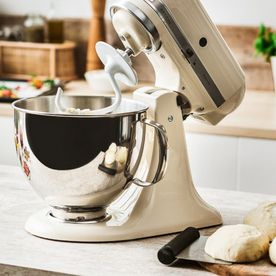
That’s where the KitchenAid mixers we use in the school change the game. We’re focused on the foundation—the gluten. The KitchenAid Dough Hook doesn't just mix; it mimics the precise, rhythmic stretching of a professional pizzaiolo, developing a perfect gluten structure every time.
HOW TO MAKE PIZZA DOUGH WITH A STAND MIXER vs. BY HAND
While hand-kneading is a romantic notion, it often leads to under-developed dough or added "panic flour" that makes your pizza tough. Using a stand mixer ensures:
- Temperature Control: Less friction from your hands means the yeast stays in its happy zone.
- Consistency: The dough hook reaches the bottom of the bowl, ensuring no dry pockets remain.
- The Windowpane Test: Your mixer will get you to that translucent, stretchy stage 3 x faster than your forearms will.
Pro-Tip: Making pizza dough the day before? A slow cold-ferment in the fridge after your mixer work is the secret to that "airy" crust.
- Organic Foundations
- Start with organic ‘00’ flour and filtered water. Quality in, quality out.
- The Hook Set Up
- Attach the KitchenAid Dough Hook. Never go above Speed 2—let the torque do the work, not the speed.
- The 7 Minute Rule
- Mix until the dough "cleans" the side of the bowl. If it’s still sticking, it’s not ready.
TRUST THE RATIO, NOT THE FEEL
In professional baking, hydration is the ratio of water to flour by weight. It dictates the cellular structure of your crumb and the eventual crispness of your crust. If you are measuring in cups, you are guessing; if you are measuring in grams, you are engineering.
The primary mistake home cooks make is "Panic Flour." When a high-hydration dough feels sticky, the instinct is to add flour. This immediately lowers your hydration percentage and turns a potentially airy crust into a tough, dry biscuit.
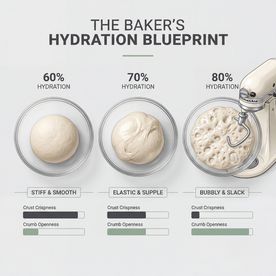
THE HYDRATION SPECTRUM
Not all flours are created equal. The protein content and milling process of your flour significantly impacts how much water it can absorb. If your dough feels "off" even when following the ratio, use this technical guide to calibrate.
- 55–60% Hydration (Low): Easy to handle, stiff dough. Used for bagels or pretzels. It yields a tight, uniform crumb.
- 65–70% Hydration (Medium): The "Sweet Spot" for home pizza ovens. It offers the perfect balance of extensibility (stretch) and elasticity (snap back).
- 75–80%+ Hydration (High): Essential for an open, airy sourdough crumb and thin, shattering crusts.
TRICKY DOUGH TROUBLESHOOTING
When your dough feels sticky, the chemical process of autolyse (the flour fully hydrating) may not be complete.
The Technical Fix: Before adding flour, give the dough a 20-minute rest.
The Mechanical Fix: Increase your mixer speed to Speed 2 for 3 minutes. This builds the tension needed to pull the dough away from the sides of the bowl without changing the chemistry.
Because the mixer develops gluten through mechanical torque rather than human friction, it can build the necessary "strength" in a wet dough that would otherwise stick to your hands.
Pro Tip: Instead of adding flour to your counter, use a bench scraper and slightly wet hands to handle the dough post-mixing. You maintain the integrity of the ratio, ensuring a crust that is light, digestible, and professional.
Biting Back at the cost of living
2026 is the year of the savvy budgeter. With food prices in Ireland rising by nearly 4% in the last year alone, and delivery fees reaching record highs, that weekend "treat" has become a financial hurdle.
A large gourmet delivery pizza in Dublin can now set you back over €30 once you factor in taxes and tips, not to mention the add-ons when feeding the family. Meanwhile, the raw, organic ingredients for a single 12" pizza—flour, yeast, sea salt, and filtered water—total roughly €1.86 per dough ball.
By mastering your stand mixer, you aren't just making dinner; you’re reclaiming your food budget.
Food Math
- Takeaway Cost: €50+ to feed the family.
- Homemade Cost: Approx. €5–€6 including premium toppings.
- The ROI: Your premium stand mixer pays for itself in just 12-15 "Pizza Friday" nights.
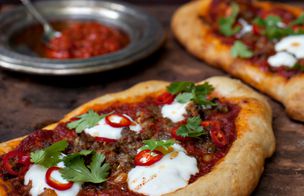
GOURMET PIZZA MASTERCLASS: ORIGINAL
This is pure pizza pleasure: textured dough, inspired sauces, all beautifully cooked on blazing hot pizza stones.
BOOK NOW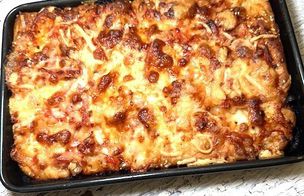
GOURMET PIZZA: EXPLORE MORE
Explore the enriched doughs of Pizza Romana, Pizza al Taglio, and calzones. Pillowy crusts & robust flavours await!
BOOK NOWThe new family power hour
Beyond the savings and the science, there is the soul of the kitchen.
In a world of digital distractions, pizza night is the ultimate connector. When your stand mixer takes over the heavy lifting, it frees you up to be the "Head Chef" of your family’s memories rather than a stressed-out cook.
Making dough is a tactile, sensory activity—let the kids choose the toppings, watch the dough rise, and turn the kitchen into a mini-pizzeria. It’s a "hands-on" education in where food comes from, proving that the most filling meals aren't delivered in a cardboard box; they’re the ones where everyone has a seat at the counter.
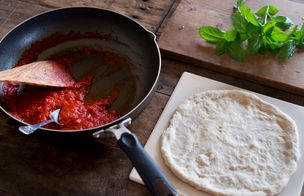
The Topping Station
Set out bowls of fresh basil, organic mozzarella, and cured meats to let everyone customize their slice.
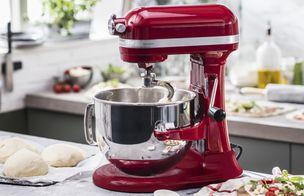
Educational Fun
Show the kids how the dough hook works its magic—it’s a kitchen science lesson that ends in a feast.
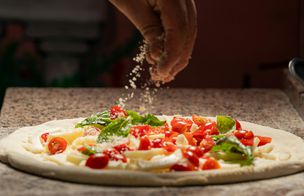
Stress Free Cleanup
Because the stand mixer keeps the flour contained in the bowl, you spend less time scrubbing counters and more time enjoying the movie
YOUR PIZZA QUESTIONS, ANSWERED
- Can I make pizza dough with no yeast?
- While traditional crust requires it, you can use baking powder for a "flatbread" style, but for that pizzeria chew, yeast is king.
- What if I want a homemade pizza dough with no rise?
- You can roll it thin immediately, but even a 20-minute "rest" allows the gluten developed by your mixer to relax, preventing the dough from snapping back.
- Why use organic ingredients?
- Organic flours often have more complex protein structures, which react beautifully with the mechanical precision of a dough hook.
- Is homemade pizza actually cheaper than frozen pizza?
- While some budget frozen pizzas are under €3, they are often single-serve and high in processed additives. For a family of four, homemade dough is exponentially cheaper and healthier.
- How do I save on toppings?
- Cheese is your highest cost. Buy blocks of high-quality mozzarella and grate it yourself—it melts better and costs less than pre-shredded bags.
- Can I make pizza dough the day before?
- Yes! Cold-fermenting in the fridge for 24 hours improves flavour and allows you to "bulk buy" ingredients for use throughout the week.
- How does humidity in Dublin affect my hydration?
- On very damp days, your flour may already hold 1–2% more moisture. High-level bakers often reduce their water by 10g–15g to compensate.
- Can I use a mixer for 80% hydration?
- Yes. Start on a low speed to incorporate, then move to Speed 2 to build the gluten "windowpane" strength.
- Why does my high-hydration dough collapse?
- It likely lacks "structural tension." Ensure you are using a high-protein organic bread flour (12.5% protein or higher) to support the water weight.