Modern Irish Cooking: Beyond the Meat and Potatoes
18th March 2026

It was St. Patrick's Day yesterday. Which means the internet was, as it reliably is every 17th of March, flooded with corned beef, green pints, and a version of Ireland that hasn't been accurate for a very long time.
We took it as a prompt to do something more interesting. We asked our team — tutors, front of house, the whole lot — what Irish food actually means to them. Not the stereotype. The real thing, from the people who cook for a living.
What came back wasn't a manifesto. It was a list of dishes tied to people and places and specific kitchens in specific houses. Chowder on a grey Tuesday. A pot of coddle that smells like your dad's house. Soda bread that goes with everything and needs nothing. Irish food, it turns out, has a lot more going on than the postcard version would suggest.
What Irish Food Means to Our Team
Eight people. Eight answers. Not one of them mentioned corned beef.
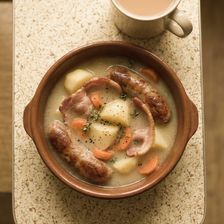
- Cara: Dublin Coddle
- Her dad's favourite — growing up in Dublin, it was the smell of our kitchen.
- Gerry: Sunday Roast
- The whole occasion of it: proper beef, mash, Yorkshire puddings, and what he describes as an unreasonable amount of gravy. A reason to clear the afternoon.
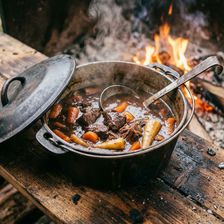
- José: Beef and Guinness Stew
- Loves a slow cook — the kind of dish that gets better the longer you leave it alone.
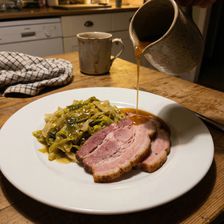
- Gráinne: Bacon and Cabbage with Creamy Mash
- Whiskey caramel sauce alongside. Comforting and reminds her of home.
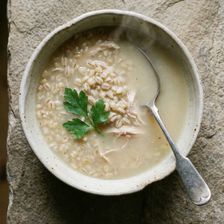
- Colin: Soda Bread and Chicken and Barley Broth
- — Simple peasant food can be the best.
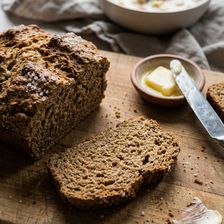
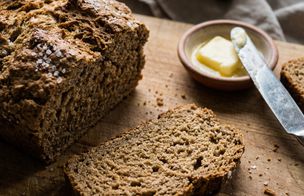
- Cindy: Brown Soda Bread
- The versatility of it — the thing that belongs beside every other dish on this list.
- Trudi: Pesto Soda Bread
- A fusion of great Irish bread and Italian flavours. And it's green — appropriate timing.
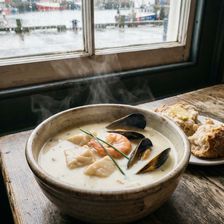
- Ale: Chowder and Brown Bread
- Irish seafood for the win!
The Thing That Ties Them All Together
Brown soda bread keeps appearing on that list for a reason. It's not a side dish — it's the thing that makes the other things work. Mop a stew with it. Serve it alongside chowder. Run a slice through broth. It has been made the same way for well over a century: buttermilk, flour, bicarbonate of soda, heat. No proving, no waiting, no unnecessary complexity.
Cindy puts it plainly — the versatility is the whole point. You can make it in under an hour, it improves almost everything beside it, and it doesn't need embellishment. Trudi takes a different angle: pesto stirred through the dough, the colour a happy accident that turned out to be perfect timing for Paddy's Day.
Where to learn to cook in ireland
If you're visiting Ireland and want to get under the skin of the food — properly, not just eating it in a restaurant — Dublin Cookery School is where to start. We're based just outside Blackrock village, about twenty minutes from the city centre, and we run hands-on Irish cookery classes throughout the year.
You'll cook in a working kitchen alongside an expert tutor, not watching from a distance. Day sessions and shorter workshops are available, which suits visitors with a limited window in the country. The focus is on real skills, real ingredients, and the kind of cooking you can repeat when you get home.
Irish cookery classes in Dublin don't get much more grounded than this. Come in, roll up your sleeves, and leave knowing how to make the food — not just having eaten it.
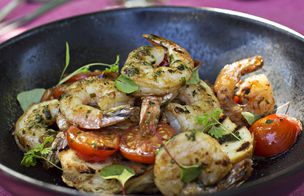
Want to get to grips with Irish seafood?
Book a spot in our Fish and Shellfish workshop
Find out more
Frequently Asked Questions
- Where can I learn to make Irish food in Ireland?
- Dublin Cookery School, based in Blackrock, Dublin, offers hands-on Irish cookery classes throughout the year. Visitors can join day sessions or half-day workshops led by expert tutors in a fully equipped working kitchen. It is one of Ireland's leading cookery schools for those wanting to cook authentic Irish recipes from scratch.
- What is traditional Irish food?
- Traditional Irish food includes dishes such as Dublin coddle, beef and Guinness stew, bacon and cabbage, seafood chowder, chicken and barley broth, the Sunday roast, and brown soda bread. These dishes are built on simple, seasonal ingredients and cooking methods that prioritise comfort and technique over complexity.
- What Irish recipes can I make at home?
- Brown soda bread is the most accessible starting point — no yeast, minimal equipment, ready in under an hour. Roast potatoes, winter root vegetable medley, and chicken broth are equally straightforward. Dublin Cookery School has a range of free Irish recipes on its website suited to home cooks of all levels.
- Is Irish food more than just meat and potatoes?
- Yes. Modern Irish cooking draws on seafood along the coastline, grain-based broths, seasonal vegetables, aged dairy, and breads that have remained largely unchanged for over a century. The meat-and-potatoes reputation reflects a narrow reading of a much broader culinary tradition.
- Are there cooking classes in Dublin suited to visitors?
- Yes. Dublin Cookery School in Blackrock offers classes suited to visitors, including day and half-day sessions. The school is approximately twenty minutes from Dublin city centre and runs programmes for all skill levels throughout the year.
- What is Dublin coddle?
- Dublin coddle is a traditional one-pot Irish dish made with sausages, rashers, onion, potato, and stock. It is closely associated with working-class Dublin cooking and carries a strong sense of place and memory for many people who grew up in the city. It is simple, filling, and deeply unfussy — which is precisely the point.
- What is the best Irish bread to make at home?
- Brown soda bread is the classic choice — quick, reliable, and suited to almost any Irish meal. It requires no yeast and no proving time. Dublin Cookery School's multiseed brown yeast bread is a slightly more complex take on the tradition and is available free on the school's recipe pages.