How to Cook and Eat Seafood Sustainably in Ireland This Spring
25th March 2026
A practical guide to what's worth buying right now — from our resident fishmonger Scott SMullen — and why the fish you choose this season matters.

To cook and eat seafood sustainably in Ireland this spring, focus on what's genuinely plentiful in Irish waters: monkfish, hake, lemon sole, haddock, and shellfish — particularly mussels, clams, and Galway Gigas oysters, while the water is still cold.
Buy from a fishmonger who can tell you where the fish came from. The best sustainable choice is usually the one that's actually in season.
What's in Season Right Now — Scott's Spring Picks
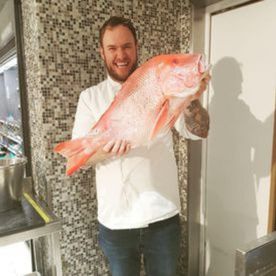
When it comes to seafood, our go-to person is Scotty - an avid fishmonger with a profound love for the sea! Raised in a seaside town, his fascination with all things aquatic blossomed early on. He refined his craft on a trawler, mastering the skills of catching and preparing fresh seafood directly from the ocean. Curiosity led him to explore the other side of the industry, sparking the beginning of his career in fish-mongering and 4 years in, he was crowned Ireland's "Young Fishmonger Of The Year" in 2018 by An Bord Iascaigh Mhara.
He knows which boats are out, which landings are fresh, and which fish most home cooks walk straight past. His picks for spring aren't the safe choices, they're the right ones.
The water is still cold, the shellfish are at their best, and there's a particular group of fish that rarely makes it onto supermarket packaging but absolutely deserves a place on your table. Here's what to look for.
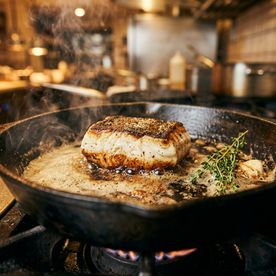
Monkfish
Monkfish is one of those fish that most people have eaten in a restaurant and very few have actually cooked at home. It's plentiful in Irish waters when in season, but it carries a price tag.
What you get in return is a dense, meaty flesh that holds up well in high heat, takes a marinade confidently, and doesn't fall apart in the pan. It's often compared to lobster in texture.
Only the tail and the cheeks are cooked. The rest of the fish — the wide, flat body and the considerable head — can still be used though, so don’t discard! Once cleaned, they make a very luxurious stock.
A straightforward approach at home is to trim the membrane first—it's tough and chewy if left on, and it causes the flesh to contract unevenly in the pan. Season generously. Sear hard in a very hot pan with a little butter and fresh thyme, 2-3 minutes on each side depending on thickness, and rest it before slicing. Monkfish rewards decisiveness and tentative heat is its enemy.
Hake
Hake is the underrated workhorse of the Irish fishmonger's slab. It's flakier than cod, with a slightly sweeter flavour and a thin skin that crisps up fast. From well-managed Irish and Iberian fisheries, it's a genuinely sustainable option at a price that doesn't require justification.
If you've never filleted a round fish at home before, hake is a reasonable place to start. The flesh is firm enough to practise on, and the bones are easy to follow. It's a nice practical fish for home cooks.
Hake takes robust flavours well including chorizo, smoked paprika, capers, and white wine. The cooking time is shorter than most people expect and 2 minutes per side over a medium-high heat is usually enough. If it's flaking at the edges, you've gone a little over but you’ll be better equipped the next time you cook hake.
Lemon Sole
Lemon sole is a flat fish with a mild, clean flavour that does one thing brilliantly: pan frying.
It doesn't need much. A light dusting of seasoned flour, a hot pan with clarified butter, 2 minutes per side, and a squeeze of lemon at the end. It's the kind of dish that's on the table in ten minutes.
It's also a good choice for anyone who wants a lighter weeknight meal without compromising on quality. The fish is delicate and cooks quickly.
Haddock
Haddock is another underrated workhorse of the Irish fishmonger's slab.
It smokes beautifully, bakes well, and holds its shape in a chowder without going to mush. The flavour is firm and slightly sweet, and it pairs well with cream, leek, and a little smoked bacon.
The Case for Shellfish
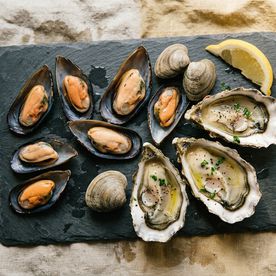
The old rule about shellfish and months containing the letter 'r' still holds some logic.
Water temperature matters. Cold water means mussels, clams, and oysters are storing energy rather than spawning — firmer, fuller, and at their best from late autumn through spring.
- Mussels
-
Mussels are probably the most sustainable shellfish you can buy in Ireland. They require no feed, no fresh water, no land, and actively filter the seawater around them. A kilo costs next to nothing and feeds two people generously. The recipe is almost embarrassingly simple: a large, hot pot with a lid, a splash of white wine with garlic and butter, three minutes, and bread to mop up the broth.
The ones that don't open get discarded. The rest is supper. - Clams
- Clams should be eaten very fresh, so are slightly less forgiving on timing. They work well with pasta, a little chilli, and good olive oil, or simply steamed with garlic, white wine, and a knob of butter.
- Gigas Oysters from Galway
- Grown in the cold, clean Atlantic water off the west coast, Galway gigas oysters are one of the real pleasures at this time of the year. Fleshy, properly briny, and traceable right back to where they were grown. Eat them raw with a squeeze of lemon. If you're coming to oysters for the first time, try them grilled with a little garlic butter — they open up considerably when cooked, and the flavour is gentler and more approachable than raw. They're a farmed species, which means no pressure on wild stocks. They're also one of the finest things you can eat for the money.
How to Make Better Choices
A few practical reference points:
- Shellfish — particularly mussels and farmed Irish oysters — are consistently among the most sustainable seafood choices available anywhere in Ireland. They're also among the cheapest, and among the fastest to cook.
- Monkfish, hake, haddock, and lemon sole — when sourced from responsibly managed fisheries — are sound spring choices. Ask your fishmonger where the fish came from. If they don't know, that's useful information in itself.
If unsure, buy fish from Ireland. The ethics and standard of fishing is top level here and the legislation that guides it is tough. These two things help ensure that when you buy local in Ireland, it will be the best choice in terms of seasonality and sustainability, even when you feel like you feel like you don't have all the answers.
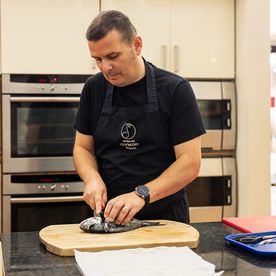
Learn to Cook Fish and Shellfish with Confidence
From questions about sustainability and seasonality to filleting, pan-frying, and cooking shellfish at home — our Fish & Shellfish Workshop covers it all, with lots of hands-on, in our Blackrock kitchen.
Frequently Asked Questions
- What fish is sustainable to eat in Ireland in spring 2026?
- The best sustainable choices in spring include monkfish tail and cheeks, hake, lemon sole, and haddock — sourced from responsibly managed fisheries. Shellfish are particularly strong options right now: mussels, clams, and Galway gigas oysters are at their best when the water is cold. Avoid wild Atlantic salmon, which is in serious long-term decline per Inland Fisheries Ireland data, and mackerel, which faces a 70% quota reduction for 2026.
- How do I cook monkfish at home?
- Trim the membrane from the tail first — it's tough and causes uneven cooking if left on. Season well, then sear in a very hot pan with butter and fresh thyme: roughly two to three minutes per side depending on thickness. Rest before slicing. Monkfish is dense and handles high heat better than most white fish. Don't be tentative with the temperature. It also roasts beautifully.
- How do I cook mussels at home?
- Clean the mussels, remove the beard, and discard any that are already open and don't close when tapped. Heat a large pot with a tight-fitting lid until very hot. Add a generous splash of white wine or dry cider, then tip in the mussels and cover immediately. They'll open in two to three minutes. Discard anything that stays shut. Serve with a good quality crusty bread to help mop up the juices.
- What is the MSC blue ecolabel and should I look for it on fish in Ireland
- The MSC (Marine Stewardship Council) blue ecolabel is the most independently verified sustainability certification available to Irish shoppers. It confirms the fish was caught from a fishery assessed against science-based sustainability standards. Over 350 MSC-labelled products are currently stocked in Irish supermarkets including Tesco, Aldi, and Lidl. It's not a guarantee of perfection in every case, but it is the most credible third-party verification currently available at retail.
- Is lemon sole easy to cook at home?
- Yes — it's one of the most beginner-friendly fish available. Dust lightly in seasoned flour, then fry in a hot pan with clarified butter or a mix of oil and butter for about two minutes per side. It cooks quickly and doesn't need a complicated accompaniment. A wedge of lemon, a little parsley butter, and some new season baby salad potatoes is more than enough.
- Where can I learn to cook fish and shellfish in Ireland
- Dublin Cookery School runs a dedicated Fish and Shellfish Workshop at our cookery school in Blackrock, Co. Dublin. It's a hands-on class of wonderful recipes covering sustainable species selection, filleting technique, pan-frying, shellfish preparation, and more. Places are limited — see the course page for upcoming dates.